Simple Ways to Keep Your Roof in Good Shape for Years
Your roof takes a beating every day. Sun, rain, wind, and debris all wear it down over time. But with a few simple habits and a bit of attention, you can push off the need for major repairs and keep it doing its job for years beyond what most people expect. The key is knowing what to look for and when to act.
Most homeowners only think about their roof when something goes wrong. A leak appears, a shingle blows off, or water stains show up on the ceiling. By then, the damage has already started. Catching small problems early is the difference between a quick fix and a full replacement. That is where a regular routine of inspection and maintenance that protects your roof comes in handy.
Start With a Good Look From the Ground
You do not need to climb up on the roof to get a sense of its condition. Stand back and scan the whole surface from the ground. Use binoculars if you have them. Look for obvious signs like missing, cracked, or curled shingles. Check for areas where the roof line sags or dips. Those are clues that something underneath may be failing. Also look at the edges and around any vents or pipes that stick through the roof. Dark streaks or stains can mean water is getting in where it should not.
Do this from a few different angles. A spot that looks fine from the driveway might show a problem when you look from the side of the house. Make it a habit to do this walk-around every few months and after any big storm. It takes ten minutes and costs nothing. It will also help you decide if you need a closer look or a call to roof repair services.
Check Inside for Signs of Trouble
Some of the earliest warnings of roof trouble show up inside the house. Go up to the attic if you have one. Bring a flashlight and look at the underside of the roof deck. Look for dark spots, damp wood, or any signs of mold. Pay special attention around chimneys, vents, and where the roof meets an exterior wall. These are common places for leaks to start.
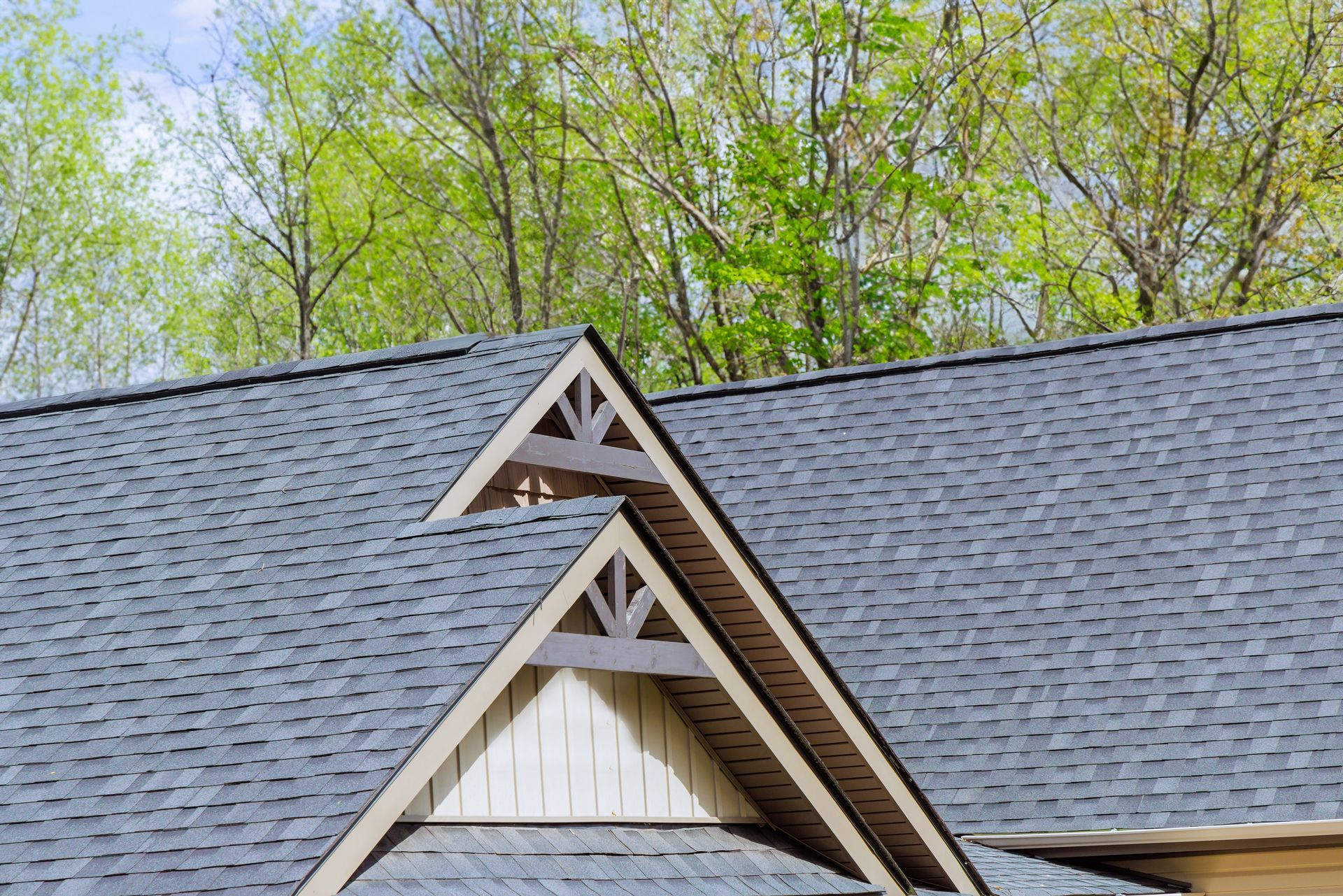
If you spot anything suspicious, poke it gently with a screwdriver. Soft or spongy wood means rot has set in. That kind of damage does not fix itself and will only get worse. Also check for light coming through gaps in the roof boards. Daylight inside the attic is a sure sign that the roof is no longer sealed. Make notes of what you find and use them to guide your next steps.
Keep Gutters and Downspouts Clear
Blocked gutters are one of the most common causes of roof trouble. When leaves, twigs, and other debris pile up, water backs up under the shingles and can rot the roof deck from the edge inwards. Clean your gutters at least twice a year, more if you have overhanging trees. You can do it from a sturdy ladder with a scoop and a bucket, or hire someone if you are not comfortable on a ladder.
While you are up there, check the downspouts too. Make sure water flows freely out of them and does not pool near the foundation. A blocked valley on the roof, where two slopes meet, is another spot to watch. If debris collects there, water can seep under the shingles and cause damage that is hard to spot until it is serious. Keeping the water moving off the roof is a simple form of maintenance that protects your roof from moisture-related wear.
Look at the Flashing and Sealant Points
Flashing is the metal or rubber material that seals the joints where the roof meets walls, chimneys, skylights, and vents. Over time, it can pull away, crack, or corrode. Loose flashing is an open invitation for water to get inside. Check these areas every time you are on the roof or looking from a ladder. If the sealant around vents or pipes looks dried out or is missing, that is a problem too. A tube of roof-grade sealant and a clean cloth are cheap tools that can fix small gaps before they become big leaks.
If you see flashing that is badly rusted or detached, that is a job for a professional. Do not try to patch it with tape or caulk meant for something else. Roof repair services can replace flashing properly so it keeps water out for years.
Deal With Moss and Algae Early
In damp climates, moss growth and algae staining are common on roofs, especially on the shady side. Moss holds moisture against the shingles, which can speed up granule loss on asphalt shingles and lead to rot on wood roofs. Algae staining is mostly a cosmetic issue, but it can signal that the roof stays wet for too long. That is not good for any roofing material.
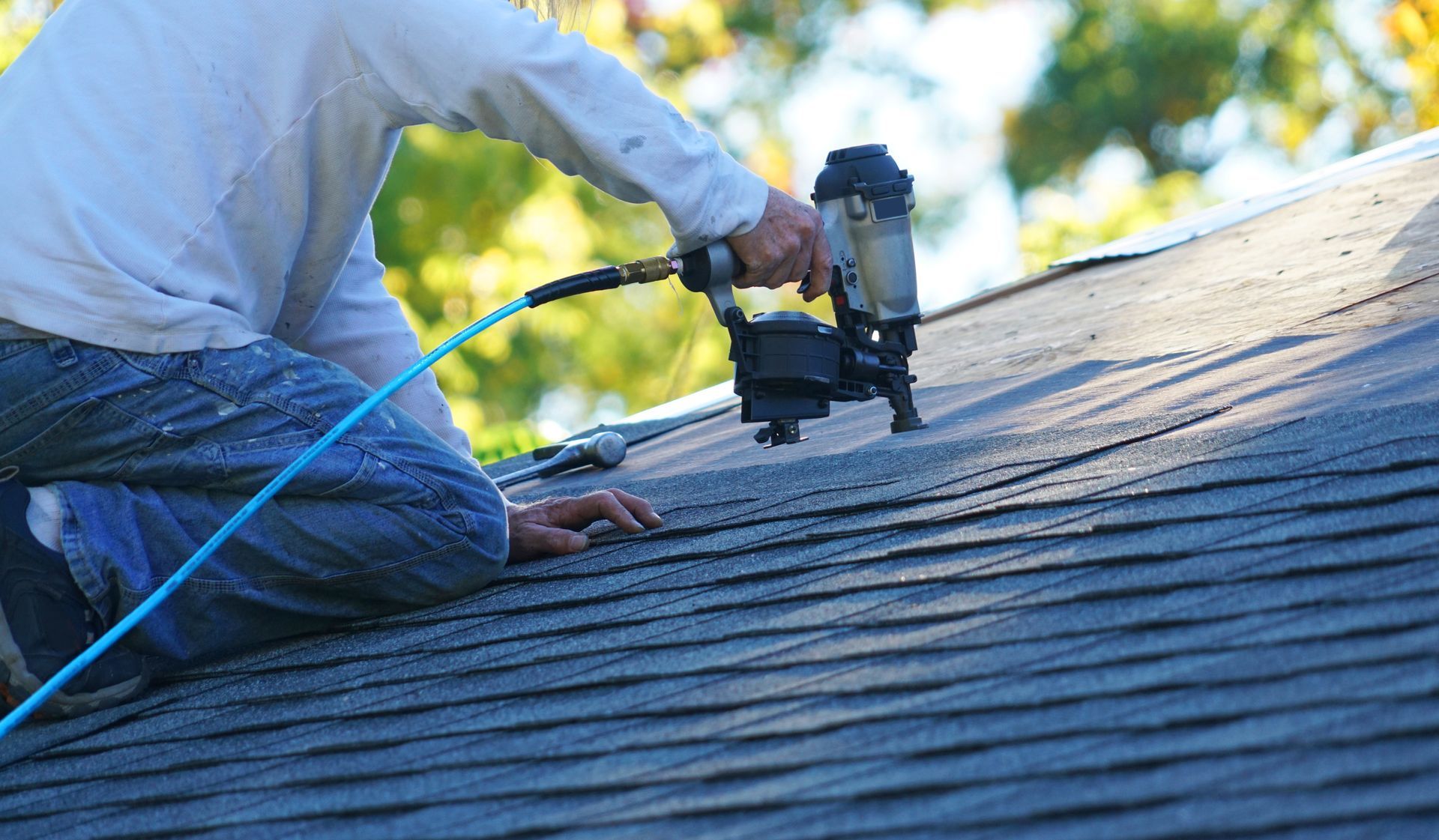
You can treat moss with a gentle cleaning solution made for roofs. Spray it on, let it sit, and rinse with low pressure from a garden hose. Never use a pressure washer on high setting; it can blast the granules off shingles and damage the surface. A soft brush on a long pole can help lift stubborn growth. Doing this once a year keeps the roof surface clean and helps it dry faster after rain.
Trim Overhanging Branches
Trees near the house can cause more than just gutter clogs. Branches that rub against the roof in the wind can scrape off protective granules from shingles. They also drop leaves and needles that trap moisture. And if a heavy branch breaks off in a storm, it can punch a hole through the roof. Trim back any branches that come within a few feet of the roofline. This is a safety job best left to a tree service if the branches are large or high up.
READY ROOFING, LLC is also on Pinterest.
Even small branches can cause trouble over time. The constant brushing wears down the surface of the shingles and exposes the mat underneath. That mat soaks up water and degrades fast. Keeping branches away is one of those easy steps that pays off for years.
Know When to Call a Pro
Not every roof job is a DIY project. Some problems need a trained eye and the right tools. If you see widespread curling or cracking on shingles, or if the roof deck feels soft underfoot, call a roofing contractor. Storm damage, like a fallen limb or missing sections of shingles, also needs professional attention. The same goes for anything above the second story or on a steep pitch where a fall would be serious.
A professional inspection every couple of years is a good idea even if you do not see problems. A roofer can spot issues you might miss, like early signs of rot around flashing or small leaks that have not yet shown inside. Roof repair services cover everything from a few replacement shingles to full sections of new roofing. Getting a small repair done early can save you from a much bigger bill later.
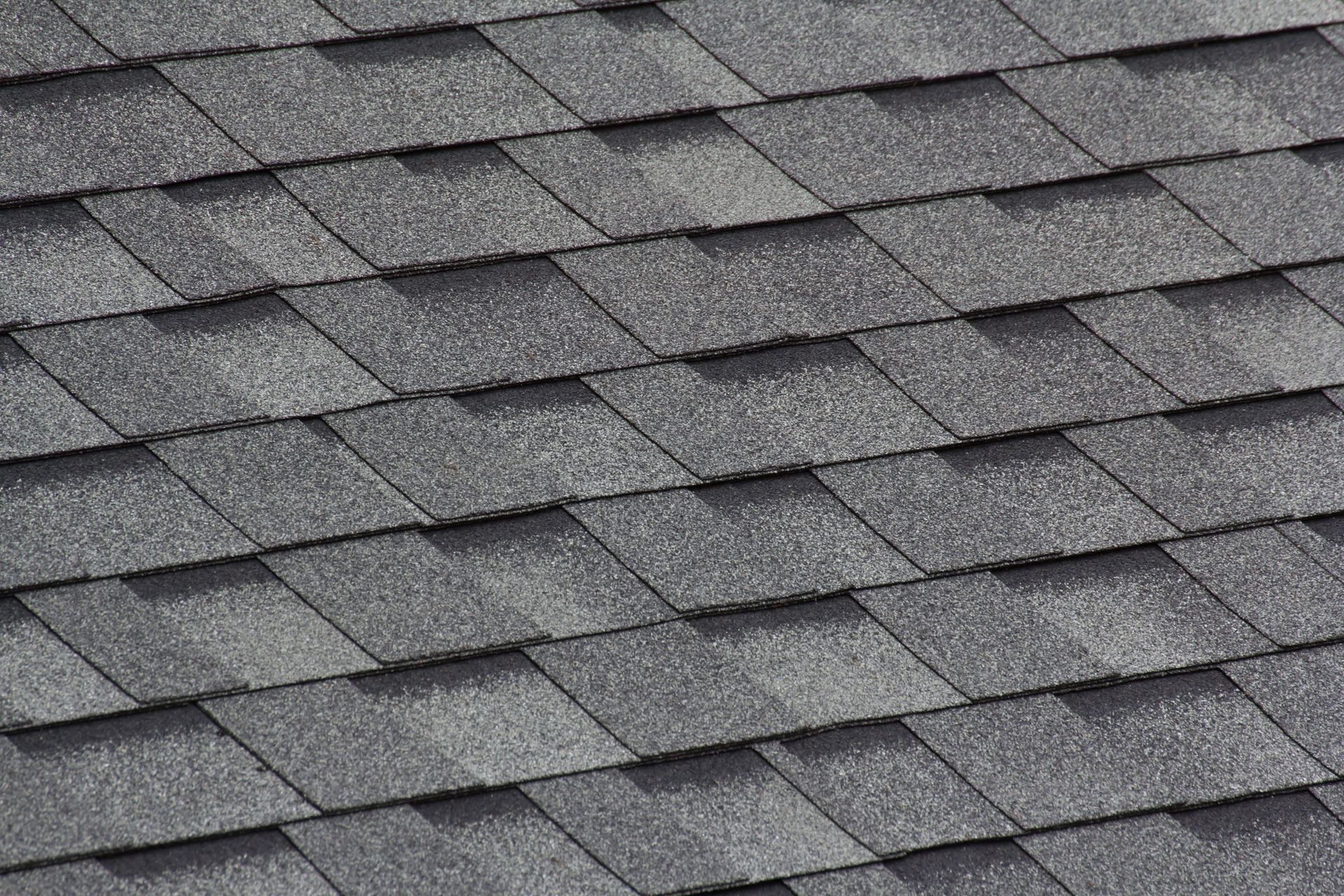
Northern Florida weather can be hard on roofs. Heat, humidity, and the occasional tropical storm all take a toll. That is why it pays to stay ahead of problems. A little attention each season keeps small things from turning into big ones. The goal is not just to fix things when they break, but to keep the whole roof system working well so it lasts as long as it can.
READY ROOFING, LLC, located at 5105 Philips Hwy Ste 205, Jacksonville, FL 32207, USA, can be reached at +1 904-404-9849. Ready Roofing provides residential and commercial roof repairs, replacements, inspections, and storm damage restoration across Northern Florida.